Forget the heavy, mayo-filled deli tubs of the past – modern potato salad has officially entered the ‘grilled’ era. By swapping a simmering pot for a high-temperature oven, you open up a world of crispy edges and tender centers that traditional versions can’t match. My Roasted Herb Potato Salad features golden brown potatoes with a light Dijon dressing and a mix of fresh parsley and chives. It’s an elevated, crowd-pleasing edge that’s just as at home at a backyard barbecue as it is at a sophisticated spring brunch.
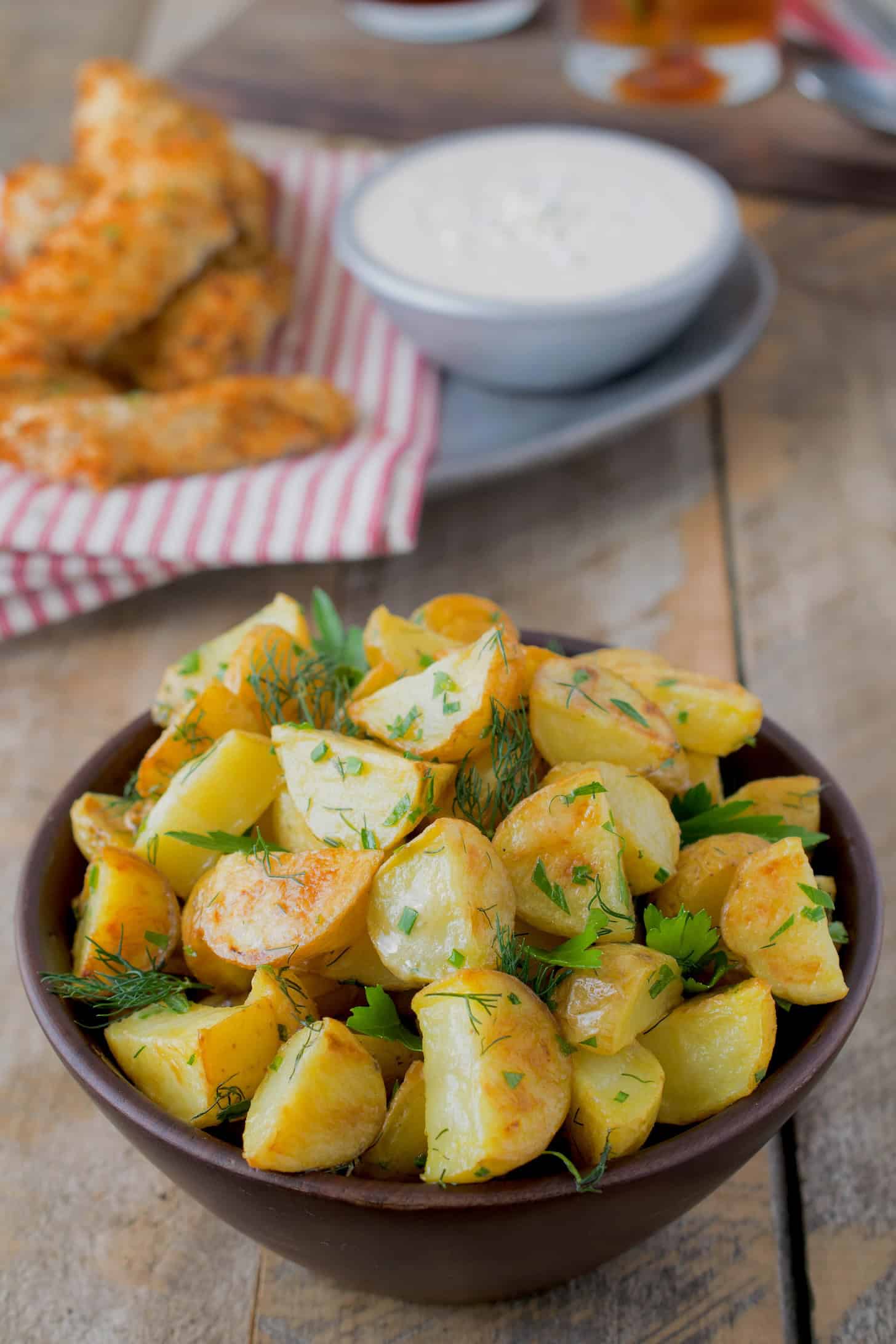
This is what to bring to a summer BBQ. By baking the potatoes while they’re still warm, you get maximum flavor absorption even before the spices are added to the bowl. This Warm Roasted Potato Salad swaps the bland for the bold, adding crunchy edges to a creamy dressing. It’s a far cry from the sad, cold tubs of the past (and more likely to cause people to ask for the recipe).
Vegetarian (and Easily Vegan!) Potato Salad
Since this recipe doesn’t use mayo, it is naturally vegetarian. To make it completely plant-based, simply swap the honey for maple syrup or your vegan sweetener of choice. It’s a simple change that ensures everyone at the cooking event can actually participate.
Embrace Dijon
This isn’t your grandma’s potato salad. By skipping the mayo and opting for lighter fare, we’re heading into ‘Salade de Pommes de Terre’ territory – if you want to get creative. It’s bright, very French, and light enough to let the roasted potatoes shine.
Best Potatoes for Potato Salad
For the perfect creamy texture with crispy edges, I prefer Yukon Gold potatoes to starchy Russet (baking) potatoes. In the UK, this variety is often similar to the Aura or Estima varieties. If you’re looking for other great options, here are my top picks:
Here are some other good options, depending on your preferences:
- Small or Baby Potatoes: This is a huge time saver! They cook quickly, and leaving them whole or halved will provide a good skin-to-flesh ratio for grilling.
- New Potatoes: It has thin skin and a mild taste; they are very popular in the UK and Europe for their ability to maintain shape.
- Red Happiness Potatoes: It has a waxy texture and mild flavor, ensuring it doesn’t fall apart when mixed with the sauce.
- Sweet potato: Additionally, it brings a lovely caramel sweetness that pairs beautifully with the savory Dijon sauce.
The Importance of Boiling Potatoes Before Baking
This may seem like an extra step, but it is a big change. A quick 2 minute boil will start the cooking process, ensuring the potatoes cook evenly until done. This prevents the dreaded ‘oven bake failure’, where the outside is overcooked while the center remains firm. By softening the starch first, the oven can focus on its real work: creating that signature golden-brown crunch.
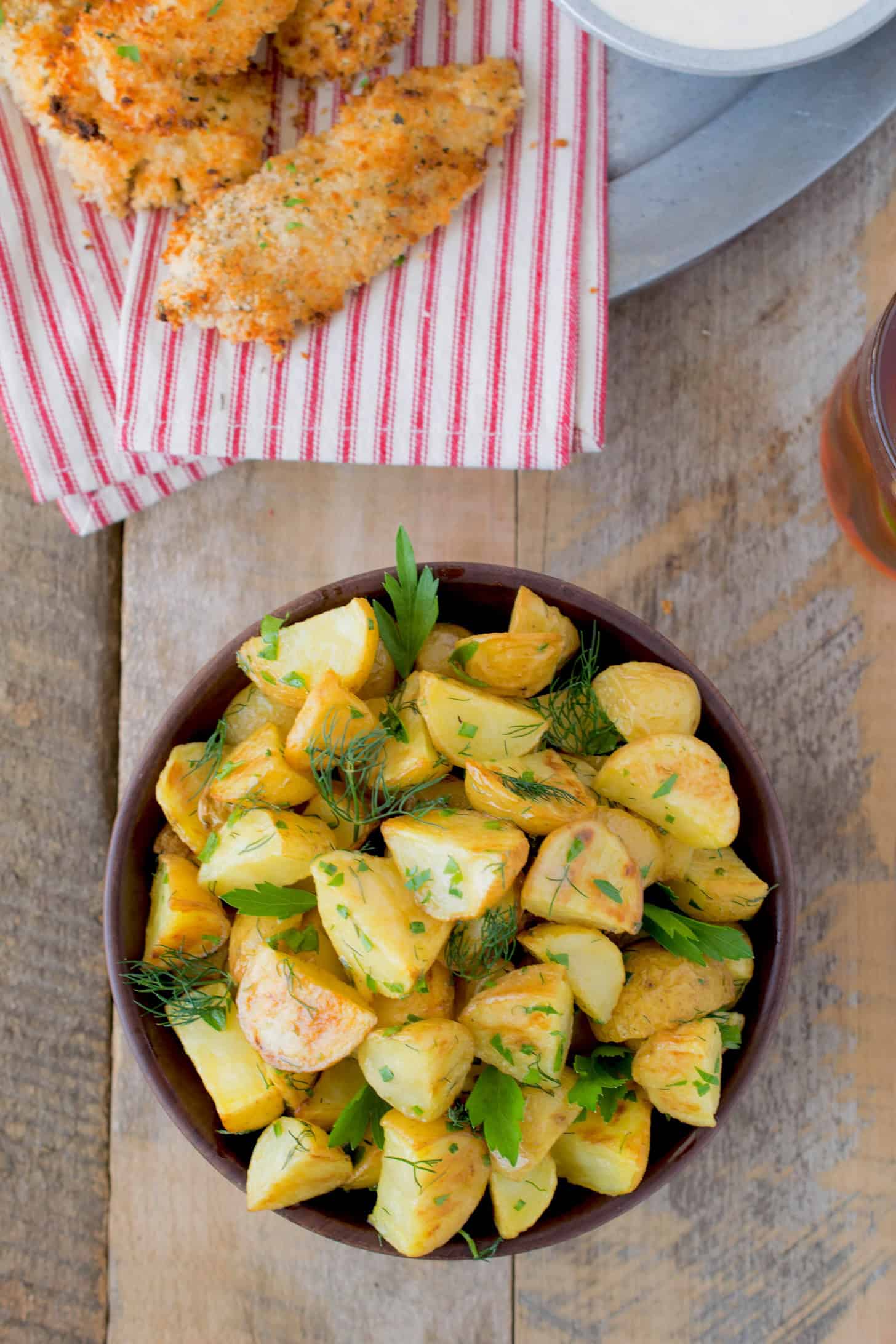
Pro Tips for Boiling Potatoes
Just as I do with English Roast Potatoes, I never add potatoes to already boiling water. Why? In addition to avoiding the inevitable splash of boiling water, starting with cold water also ensures the potatoes cook more evenly and efficiently. Here are some more tips you didn’t know you needed:
- Cold Start: Putting the potatoes in cold water and boiling them ensures that the outside doesn’t get mushy before the middle is cooked.
- Use Right Pan: Choose a pan that is large enough to comfortably hold the potatoes without crowding them. This allows the water to circulate for even cooking.
- Lots of Salt: Once the water boils, add salt to taste. This is your only chance to season your potatoes from the inside out!
- Watch the Hours: For this grilled salad, we only parboil it. You want it to be “fork-soft” – meaning the fork can go in with just a little resistance. They have to start it, but it doesn’t fall apart.
Tips for Roasting Potatoes
Achieving a typical gold crisis is a matter of heat and space. Here’s how to make sure your potatoes are actually baked, not steamed:
- Don’t Crowd the Pan: Use a large baking sheet (or two) to spread the potatoes in an even layer. If they are too close together, steam will escape and they will become soggy. Space equals crispness.
- Turn the Heat: High heat is essential to get a golden brown surface. Aim for 425°F (220°C) to ensure the outside is crispy before the inside is overcooked.
- Midway Reversal: Shake the tray well or turn the potatoes halfway through the baking time. This ensures each side gets a turn against the hot metal to get an even browning.
- Size Matters: Aim for a uniform cut. If your potato pieces are roughly the same size, they will all reach the perfect “crunchy on the outside, tender on the inside” state at the same time.
Optional Addition to Herbed Roasted Potato Salad
This herb vinaigrette is the perfect canvas for customization. Depending on what you have in your garden or kitchen, try adding:
- Orange Spirit: Add 1 teaspoon of finely grated lemon zest or a squeeze of fresh lemon juice to the sauce to brighten up the natural herbs.
- Onion Family: Swap in chives or add chopped scallions, scallions, or even pickled shallots for a tangy, fresh bite.
- Extra Protein: To make it a light meal, top the salad with a hard-boiled egg cut into quarters or even crispy pancetta.
- Herbal Garden Mix: While parsley and chives are classics, feel free to add fresh tarragon, or mint for a sophisticated touch.
- Italian Flare: A tablespoon of non-pareil capers or a sprinkle of sea salt right before serving adds a lovely salty flavor that pairs perfectly with Dijon.
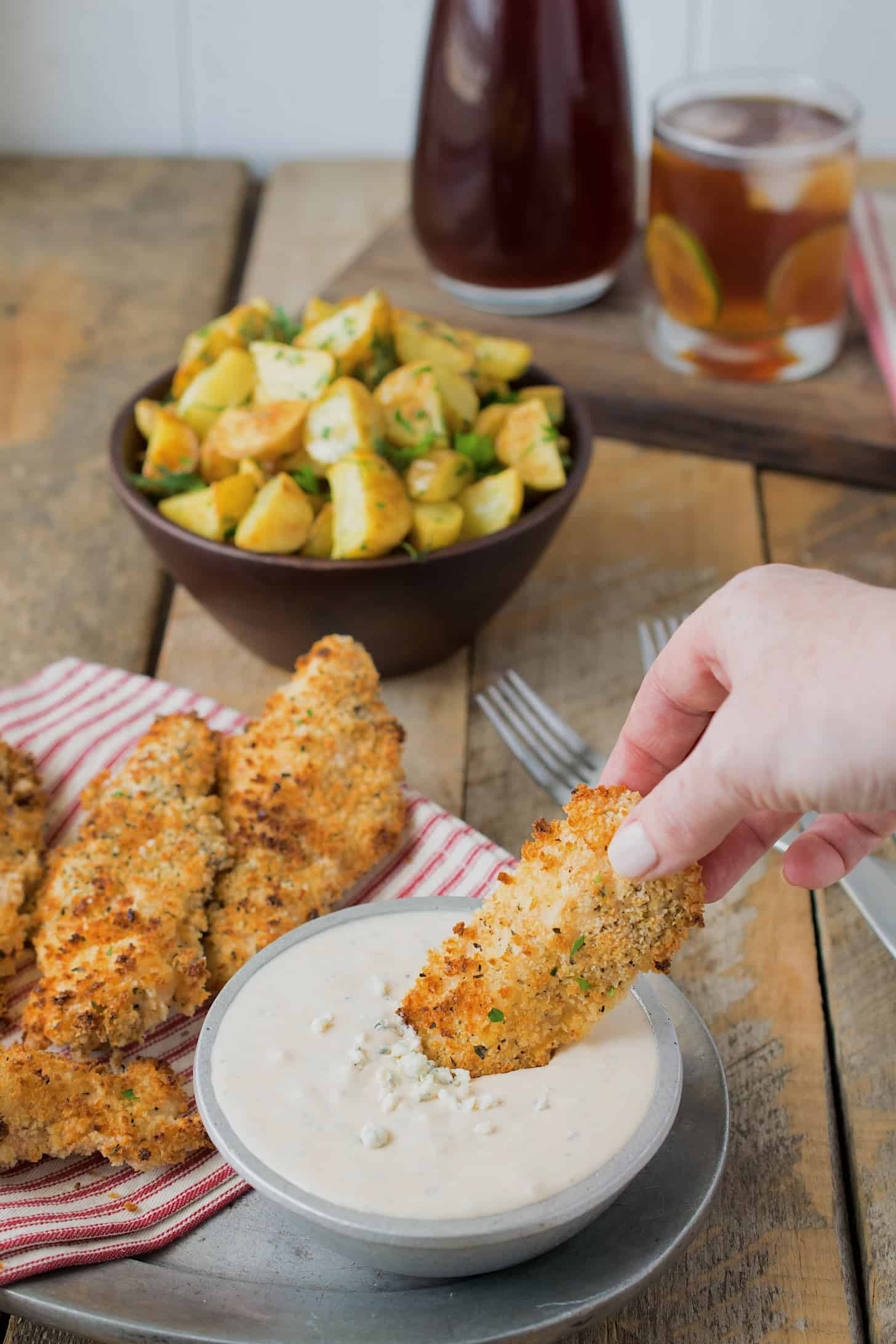
What to serve with Herb and Chive Potato Salad
While it’s one of the most popular BBQ sides, this Herb Potato Salad shines all year round. It pairs perfectly with classic cookout dishes like Burgers, Ribs, or my Grilled Chicken Tenders with Buffalo Blue Cheese Sauce.
But its versatility doesn’t stop with the grill! It’s the perfect companion for:

Roasted Potato Salad with Dressings
Ditch the heavy mayo for this Roasted Potato Salad with Herbs! Crispy baked potatoes topped with a savory, mayo-free sauce.
Portion 4
Calories 432kcal
- 2 pound (1kg) potatoes, peel and cut into small pieces of the same size
- 4 tablespoon extra virgin olive oil
- A pinch of salt
For dressing:
- 2 tablespoon Dijon mustard
- ¼ cup (60 ml) white wine vinegar
- 1 teaspoon Darling
- ½ teaspoon salt or according to your taste
- ¼ teaspoon ground black pepper or according to your taste
- ½ cup (118 ml) extra virgin olive oil
- 1 tablespoon fresh parsley chopped
- 1 tablespoon fresh dill chopped
- 1 tablespoon fresh chives chopped
Boil potatoes
-
Preheat the oven to 400°F (200°C). Place a cooling rack into a large baking dish to drain the potatoes after boiling.
-
Add the potatoes to a large pot and cover with water. Bring to a boil and add a little salt, boil for 5 minutes (just cook for a while, it will finish cooking in the oven).
-
Drain and spread the potatoes onto a cooling rack to dry for 5 minutes. If the potatoes are wet, they won’t be covered in oil and will be steamed in the oven instead of baked.
Bake potatoes:
-
Add the potatoes to a large bowl and coat with olive oil, salt and pepper, toss to coat.
-
Spread the potatoes evenly on a baking sheet (use 2 if necessary). Bake for 40 minutes, turning halfway through until evenly brown.
Make the dressing:
-
While the potatoes are baking, add mustard, vinegar, honey, salt, pepper to a large bowl. Drizzle in olive oil while stirring until combined. Stir in the parsley, dill, and chives. Set aside.
-
When the potatoes are soft, remove them from the oven and let them cool slightly in the pan for 5 minutes.
-
While the potatoes are still slightly warm, add them to the sauce. Use a large spoon to gently coat in the sauce.
-
Serve warm or room temperature.
Portion: 1 | Calories: 432kcal | Carbohydrate: 51G | Proteins: 7G | Fat: 35G | Saturated fat: 4G | Sodium: 423mg | Fiber: 6G | Sugar: 4G
PakarPBN
A Private Blog Network (PBN) is a collection of websites that are controlled by a single individual or organization and used primarily to build backlinks to a “money site” in order to influence its ranking in search engines such as Google. The core idea behind a PBN is based on the importance of backlinks in Google’s ranking algorithm. Since Google views backlinks as signals of authority and trust, some website owners attempt to artificially create these signals through a controlled network of sites.
In a typical PBN setup, the owner acquires expired or aged domains that already have existing authority, backlinks, and history. These domains are rebuilt with new content and hosted separately, often using different IP addresses, hosting providers, themes, and ownership details to make them appear unrelated. Within the content published on these sites, links are strategically placed that point to the main website the owner wants to rank higher. By doing this, the owner attempts to pass link equity (also known as “link juice”) from the PBN sites to the target website.
The purpose of a PBN is to give the impression that the target website is naturally earning links from multiple independent sources. If done effectively, this can temporarily improve keyword rankings, increase organic visibility, and drive more traffic from search results.
Comments are closed, but trackbacks and pingbacks are open.