Ladi Pav recipe, is an eggless, soft, fluffy and light bread that is popularly used in many Indian street snacks, such as vada pav and pav bhaji. Pav bun, also known as ladi pav, is a dinner roll that is usually baked in a pan.
Ladi Pav Recipe
This is my first time making it, the results are quite amazing. This bread turns out to be very soft and chewy. I like it very much. The aroma of freshly baked bread fills your home as you bake it. There’s nothing better than baking your own bread or buns.
Jump to:
I actually make vada pav, potato pav, onion pav using this and serve it with green chutney and tamarind chutney. They are really delicious. You could probably put anything in it from chicken stuffing to vegetable stuffing and enjoy this soft bread.
I actually had one by just smearing green chutney and tamarind chutney and sprinkled garlic chutney on top and took my first bite, wow so delicious.. I suggest you try it once.
Whether you are an experienced baker or a beginner, the tips and techniques shared here will help you make soft and airy pav bread easily at home.
What is Ladi Pav
Pav Buns are one of the main ingredients you need as an accompaniment to vada pav or pav bhajji. This soft, fluffy bread is delicious with anything. You can also have your own. They are readily available in supermarkets.
Pav has a simple but interesting history in India. The name “pav” comes from the Portuguese word “Pao” which means bread. When the Portuguese arrived in India, they introduced their baking method and as time went by, these soft and fluffy breads became a popular part of Indian cuisine. Pav is used to make classic dishes like vada pav, pav bhaji and many more.
Pav is traditionally made using Maida (all-purpose flour), which gives it its characteristic soft, light and fluffy texture. Because it is a processed flour, people tend to avoid it and look for healthier alternatives. So, I am sharing this eggless wheat pav bun recipe.
Although whole wheat flour adds nutritional value, it can sometimes produce denser bread if used alone. To overcome this, a small portion of Maida is added in this recipe to improve gluten development and help the pav become softer and puffier.
Similar Recipes
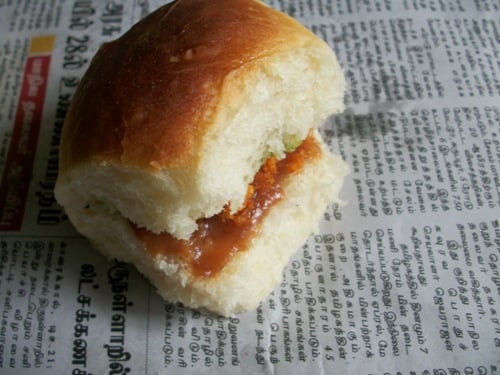
About Pav Recipes
Making bread is truly an art. Understanding the ingredients, how they interact, and the behavior of the yeast is key to achieving perfect results. While it may seem complicated at first, it requires patience and several steps to do it right. The pav bread dough should be well hydrated, as this is the key to producing light, airy and tender bread.
What makes pav special is its soft and slightly sweet texture which goes well with dishes like bhaji, aloo tikki, vada, paneer bhurji or even with butter.
Whether served with rich pav bhaji or as part of a spicy vada pav, pav bread provides the perfect balance of softness and flavor in every bite.
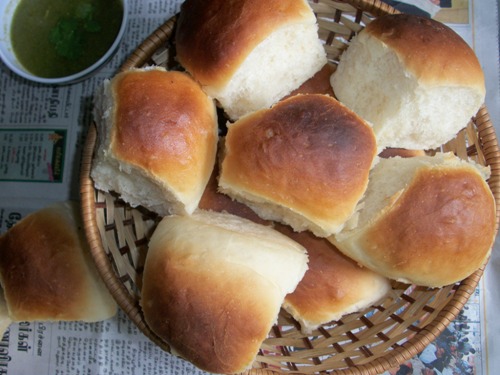
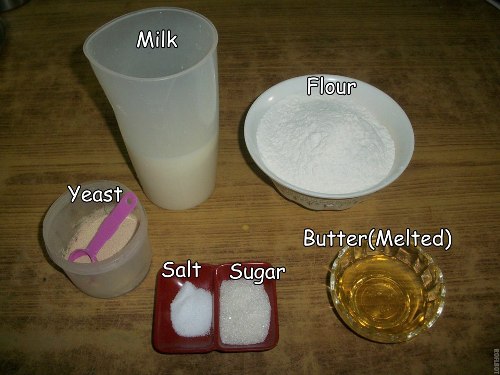
Ingredients
- All purpose flour: It is the main flour used to give structure to bread. When kneading, gluten will develop and help produce a soft and elastic dough.
- Yeast : I use dry yeast to make the dough rise. You can also substitute instant yeast if desired. When dry yeast ferments with sugar and milk, it creates air pockets in the dough. It forms a soft, airy and pillowy pav with a pleasant aroma.
- Butter : Butter adds rich flavor and creaminess to the pav. Use good quality unsalted butter to make the bread soft and tender.
- Sugar: Sugar is used to feed the yeast to help raise the dough better and is also added for a light sweet taste.
- Salt : Salt is an important spice in making bread. Without this, the pav bread will taste bland.
- Warm milk: Warm milk helps activate the yeast and also adds richness to the dough. Makes the pav texture creamier and softer than using warm water.
Step by Step Images
Activating Yeast
1) Let’s start by activating the yeast. Add sugar to warm milk.
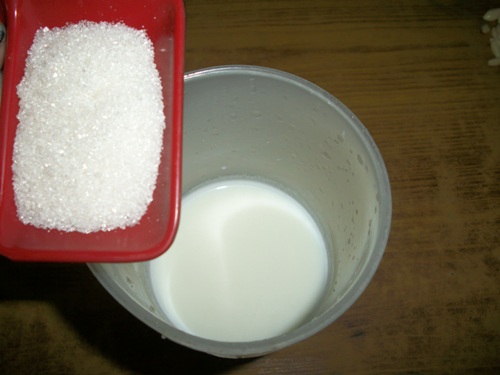
2)Add yeast to warm milk and mix well.
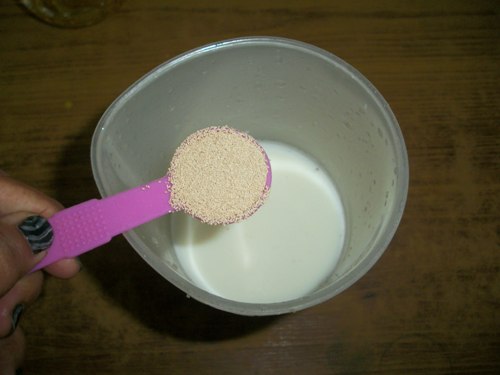
3) Leave it for 5-10 minutes until it foams.
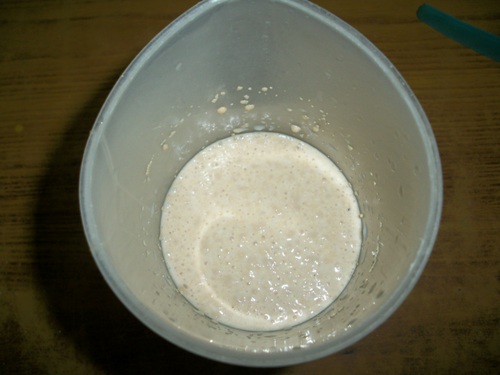
Kneading Dough
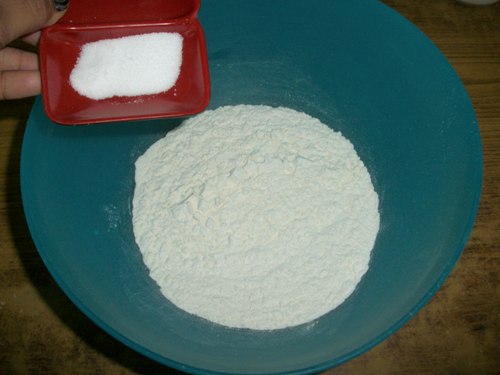
4) Take flour in a mixing bowl and add salt to it. Mix everything so that the salt is evenly distributed.
5)Now pour milk into it and mix well to form a very soft dough.
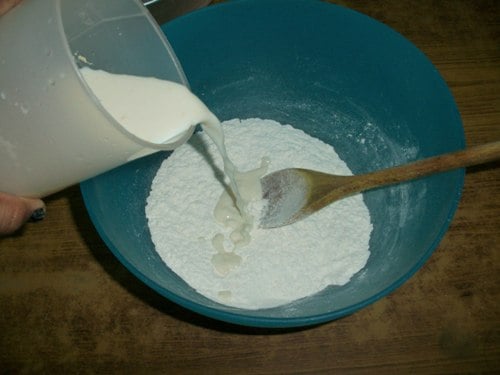
6) Pour melted butter over it and mix well.
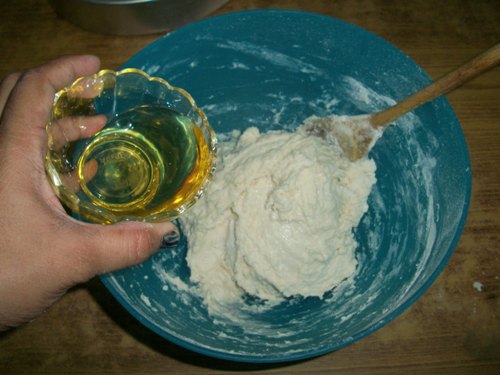
7) Knead until soft.
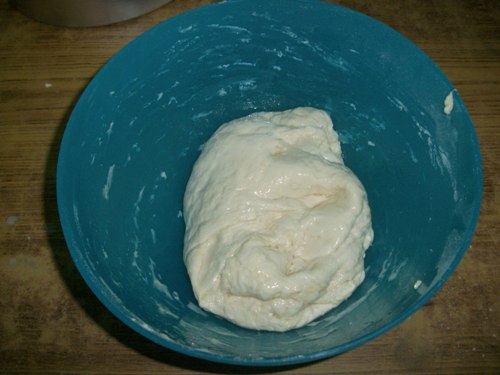
8) Cover with a damp cloth and let sit for 1-½ hours until doubled in size.
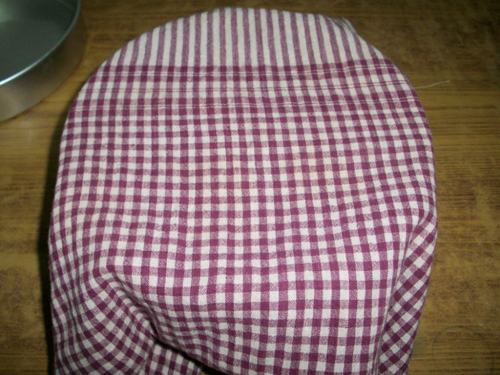
9)Now the dough has doubled in size.
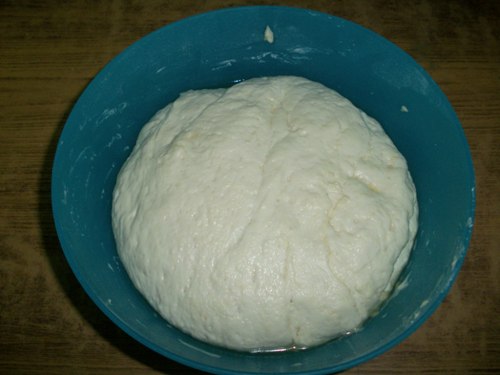
10)Remove the air and knead once.
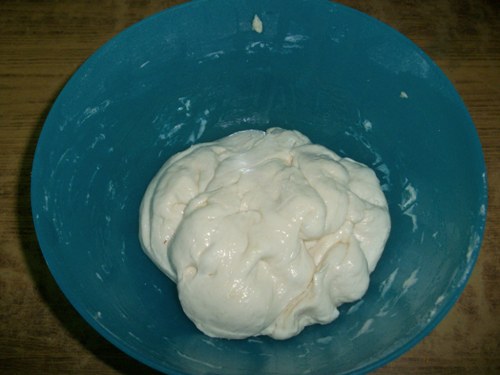
11)Now remove the air and divide it into equal portions.
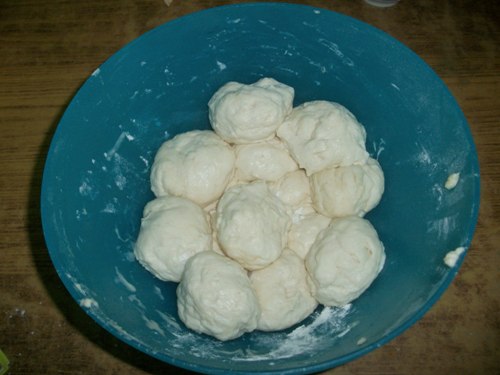
12) Roll until smooth.
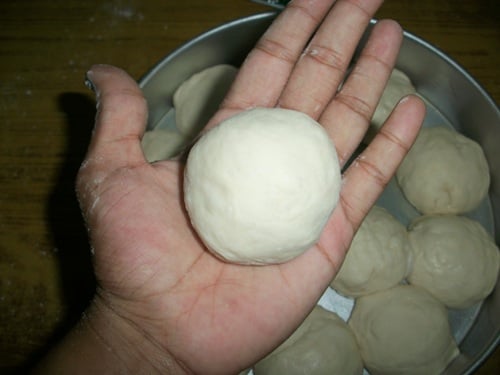
13) Take any tray or baking sheet and arrange these balls at equal distances.
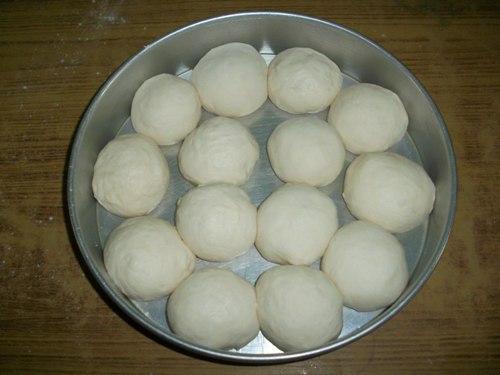
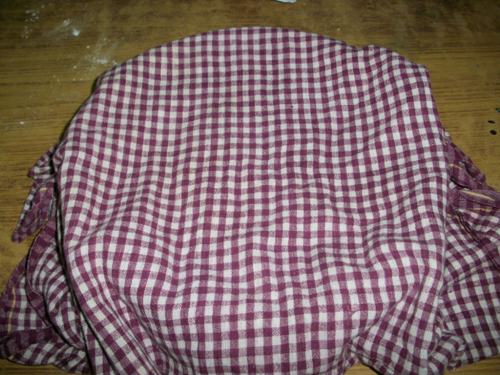
14)Now cover with a damp cloth and let sit for 30 minutes until it doubles in size.
15)Now the dough has doubled in size.
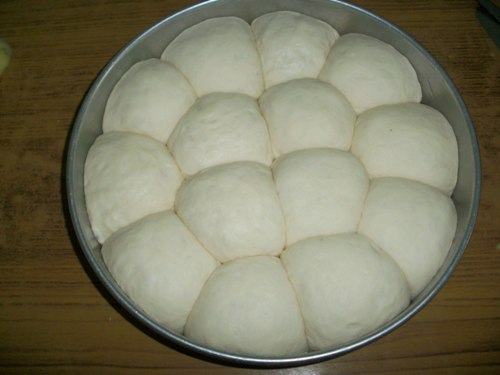
16)Now place in the preheated oven (200 Degrees C / 400 Degrees F) for 15-20 minutes until the top turns golden and cooked through.
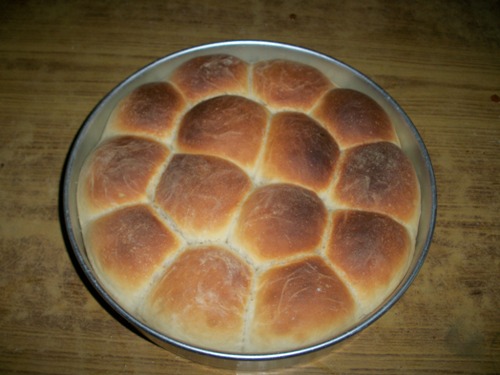
17)Remove from the oven and brush with butter.
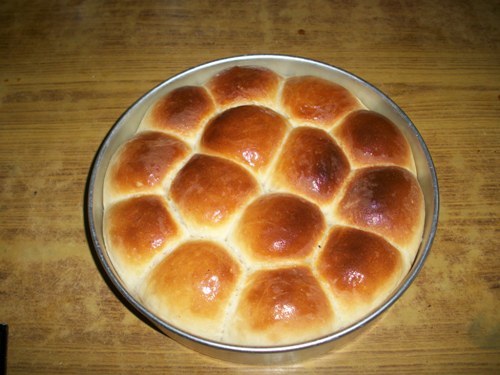
18)Take out the pav bread and let it cool.
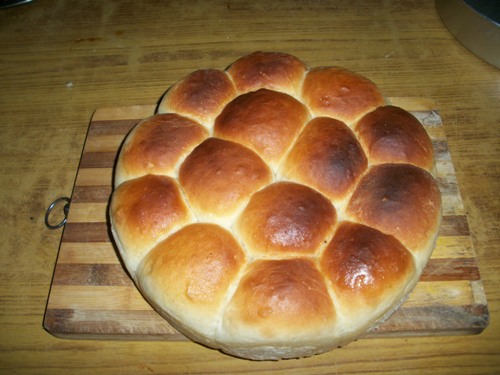
19) serve with pav bhaji or use for vada pav or anything else.
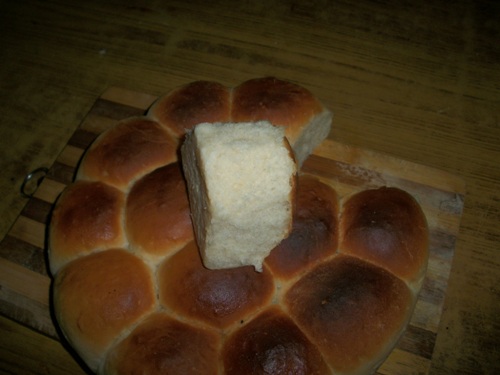
20) Serve.
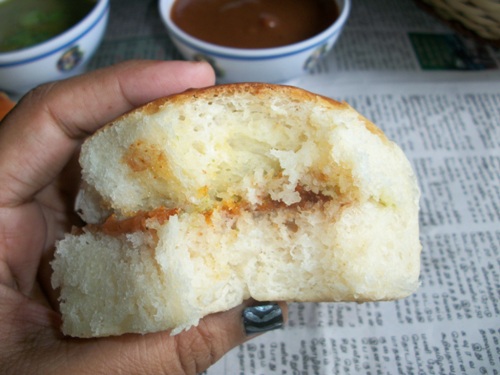
Expert Tips
Use good quality: Yeast is the essence of soft pav. Always use fresh, good quality yeast for best results. If using active dry yeast, proof it first before adding to the dough. If you use instant yeast, you can add it directly to the flour.
Correct kneading: Knead the dough until it becomes soft, smooth and slightly elastic. Proper kneading helps develop gluten, which is important for making light, fluffy bread.
Divide evenly: Divide the dough into pieces of the same size before shaping. This ensures all the pav cooks evenly.
Use butter sparingly: Rubbing butter on the pav before and after baking helps keep it soft and moist. This gives the bread a beautiful shine and improves the overall taste.
Pav Storage: Store pav buns in an airtight container to maintain their softness and freshness. They keep well at room temperature for 2 to 3 days. For longer storage, refrigerate. Warm bread or toast with butter before serving for best taste.
Serve: This soft and delicious pav bread tastes best served warm with bhaji for a classic combination. You can also toast bread with butter and serve it with vada and a spread of green chutney.
General Questions
Q. Why is my pav not soft?
This usually happens if the dough is not kneaded enough or is not moist enough. Insufficient proofing time also causes the bun to become light and fluffy.
Q. How do I know if the dough is cooked enough?
The dough will double in size and feel light and fluffy. When pressed lightly, it will bounce back slowly. This means the dough is cooked and ready to bake.
Q. Why doesn’t the pav rise well?
This may be caused by poor growth or yeast not being activated properly. Always use fresh yeast and ensure proper proofing. Let the dough rise in a warm place until it doubles in size to get the best texture.
📖 Get Recipes
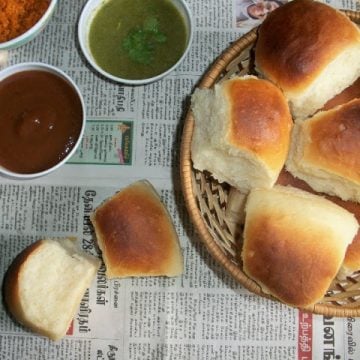
Ladi Pav Recipe | Homemade Pav Bread Recipe | Pav Recipe
Ladi Pav recipe, is an eggless, soft, fluffy and light bread that is popularly used in many Indian street snacks, such as vada pav and pav bhaji. Pav bun, also known as ladi pav, is a dinner roll that is usually baked in a pan.
Videos

Nutrition
Nutrition Facts
Ladi Pav Recipe | Homemade Pav Bread Recipe | Pav Recipe
Amount per Serving
% Daily Value*
* Percent Daily Values are based on a 2000 calorie diet.
Share Recipes
PakarPBN
A Private Blog Network (PBN) is a collection of websites that are controlled by a single individual or organization and used primarily to build backlinks to a “money site” in order to influence its ranking in search engines such as Google. The core idea behind a PBN is based on the importance of backlinks in Google’s ranking algorithm. Since Google views backlinks as signals of authority and trust, some website owners attempt to artificially create these signals through a controlled network of sites.
In a typical PBN setup, the owner acquires expired or aged domains that already have existing authority, backlinks, and history. These domains are rebuilt with new content and hosted separately, often using different IP addresses, hosting providers, themes, and ownership details to make them appear unrelated. Within the content published on these sites, links are strategically placed that point to the main website the owner wants to rank higher. By doing this, the owner attempts to pass link equity (also known as “link juice”) from the PBN sites to the target website.
The purpose of a PBN is to give the impression that the target website is naturally earning links from multiple independent sources. If done effectively, this can temporarily improve keyword rankings, increase organic visibility, and drive more traffic from search results.
Comments are closed, but trackbacks and pingbacks are open.