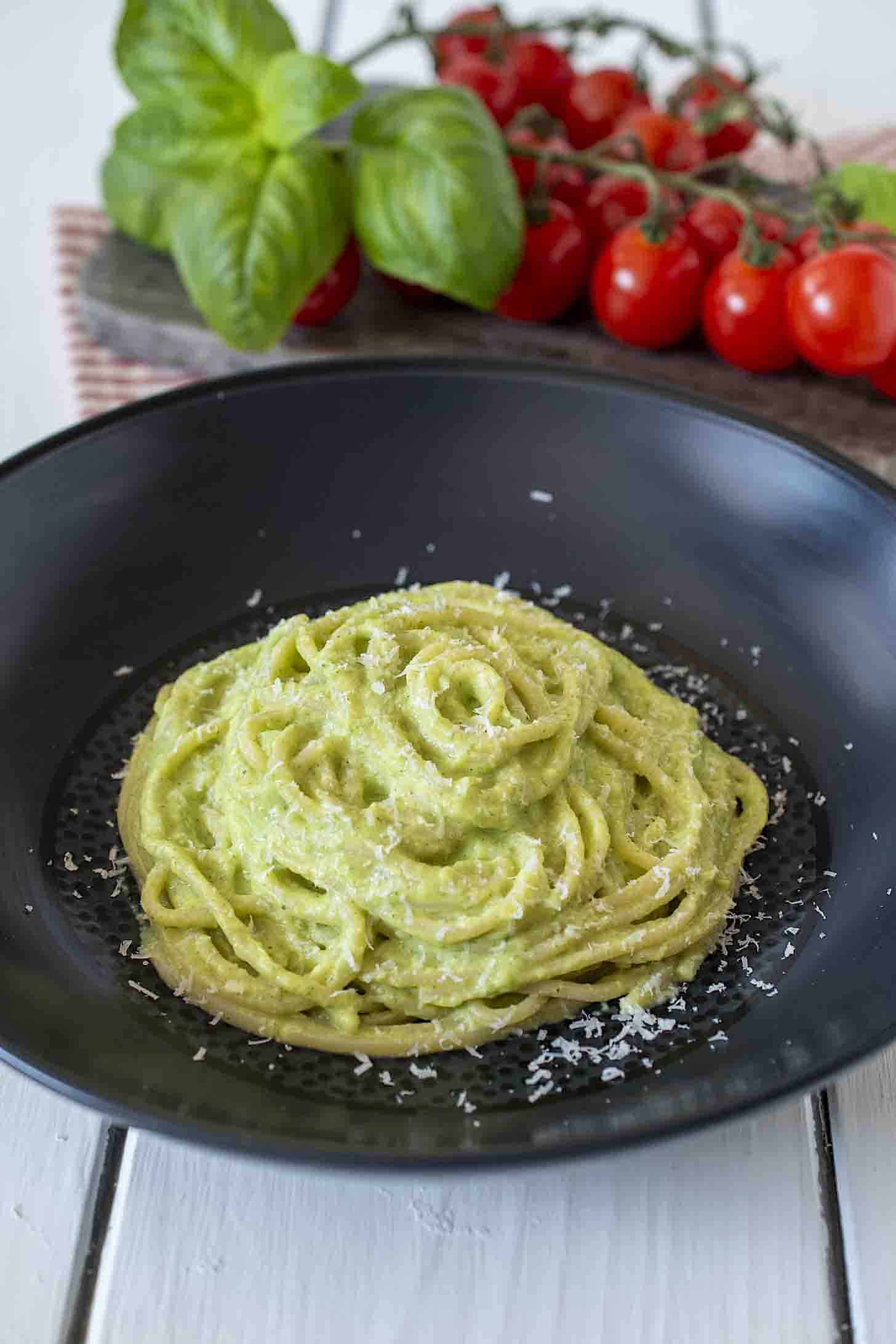
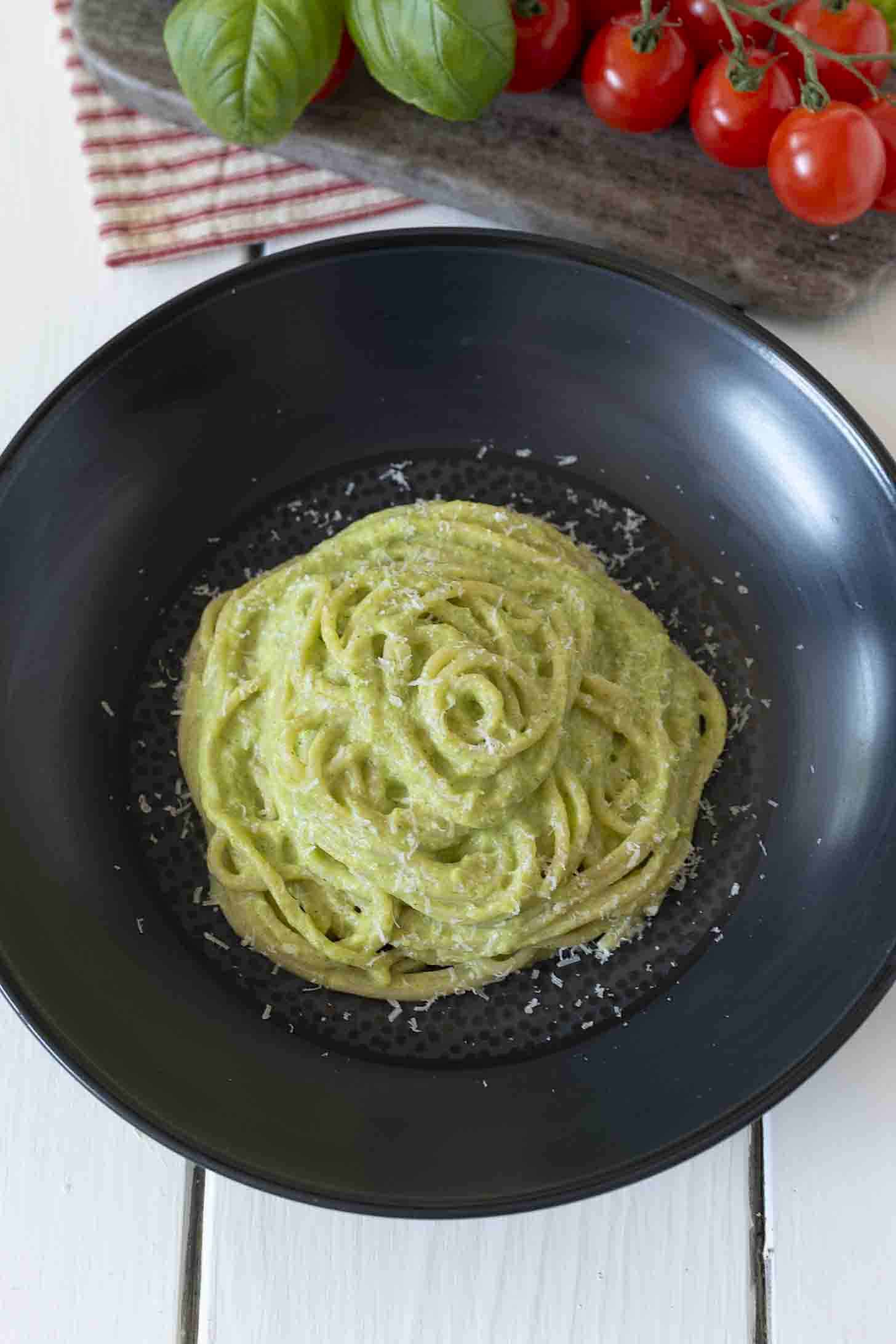
I knew I had a winner with this Creamy Zucchini Scallion and Basil Pasta Sauce. The first time I served it, I immediately got a response of “Amazing!” This is a simple type of zucchini (courgette) pasta that Italians love in the summer. This is a stunning light pasta dish with a creamy sauce made by combining cooked zucchini with chives, garlic, parmesan, fresh basil and a splash of milk.
Why You’ll Love This Summer Vegetable Dip
This is a great way to make the most of summer’s bounty of zucchini. By combining cooked zucchini with sweet chives, garlic, and Parmesan, you get a bright green pasta sauce. A mountain of fresh basil makes it feel especially indulgent.
The best part? This is truly a Trojan horse for skeptical eaters. Kids love the rich texture and won’t even realize they’re eating healthy food in this comforting pasta dish.
Secrets of Cream Sauce
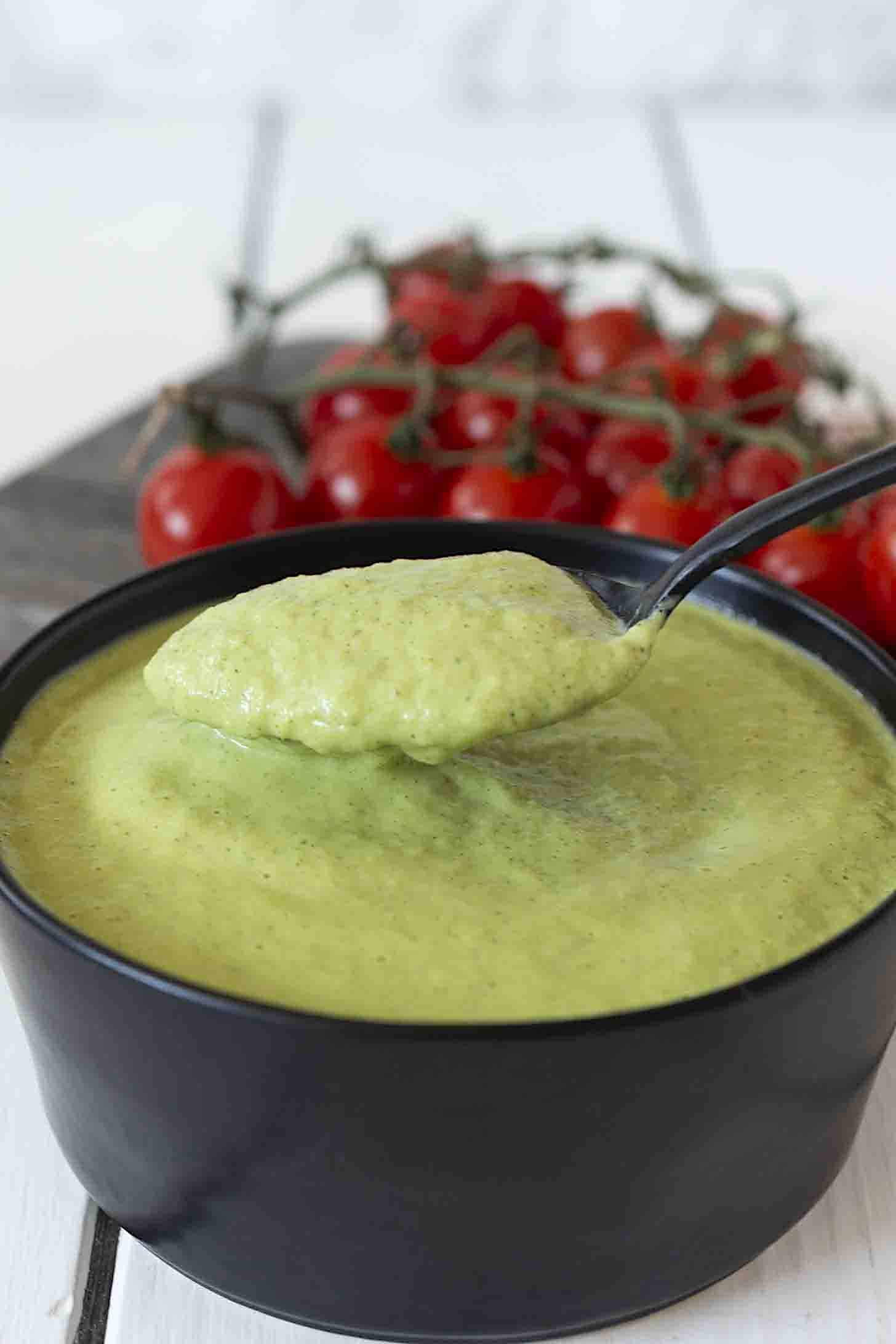
You don’t need a quart of heavy cream to get a smooth finish. The natural structure of the blended zucchini itself creates a thick base.
- The Dairy Boost: A splash of whole milk and a handful of finely grated Parmesan cheese provides all the richness you need.
- Alternatively: If you want a truly no-cook option, you can opt for ricotta, as in the method in my 3-Ingredient Ricotta and Pecorino Pasta Sauce.
Which Shape of Pasta Works Best
Because this sauce layers beautifully, it pairs well with almost anything in your kitchen.
- Long Strands: Spaghetti, fettuccine, or linguine are ideal for swirling in this creamy sauce.
- Short Pasta: Penne, rigatoni, or fusilli will also work because the sauce sticks to the edges and gets trapped in the tube.
Tips for Success
- Don’t skip the pasta water: Before draining the pasta, take a cup of the starchy cooking water. Sprinkling a little into the sauce as you mix it all together will help emulsify the flavors and create a glossy, restaurant-quality finish.
- Gently sauté: Let the leeks and zucchini soften completely without letting them brown too much. You want it sweet and creamy, not caramel, to maintain its bright green color.
- Hot puree: For the smoothest texture possible, use a high-powered blender or reliable immersion blender while the vegetables are still warm.
- Adjust the consistency: If your sauce mix is too thick, simply add a splash of milk, a splash of vegetable stock, or a spoonful of starchy pasta water until it reaches the perfect consistency.
Soup Tip
Make soup: This mixed base is very versatile. If you have leftover sauce, you can thin it with a cup of vegetable or chicken stock for a quick and fresh summer soup. If you like creamy vegetable soups, you should also try my comforting Zucchini and Sweet Potato Soup.
Dietary Trade-Offs and Variations
Since this sauce relies primarily on mixed greens for its rich texture, adapting it to different dietary requirements is simple.
Make It Gluten Free
This zucchini and leek dip is naturally gluten-free. It relies entirely on a mix of vegetables and a little milk. This gives it body, meaning no flour or roux is needed. To keep the entire dish gluten-free, simply swap traditional pasta for your favorite gluten-free alternative.
- Top Picks: Mixed corn and rice pasta (like Rummo or Barilla Gluten Free) holds its shape beautifully and best mimics traditional wheat pasta.
- Pro Tip: Gluten-free pasta water can sometimes be too cloudy or chewy. If you’re using it to thin a sauce, start with just a tablespoon or two, or add a little extra milk or stock.
Make it Dairy Free or Vegan
Making this dairy-free sauce is very simple. Since most of the body comes from a mixture of vegetables, it is naturally rich.
- Milk Swap: Replace some whole milk with a neutral, unsweetened plant milk such as almond, oat, or soy milk. Just make sure it’s unflavored so you don’t accidentally add vanilla to your dinner!
- Parmesan Swap: To get the signature savory, salty flavor without dairy, swap Parmesan cheese for a high-quality vegan Parmesan alternative or stir in a tablespoon of nutritional yeast.
Serving Suggestions
To turn it into a complete summer meal, try pairing it with:
- A crunchy green salad tossed in a bright lemon vinaigrette for added richness.
- Dry garlic bread to scoop up every last drop of sauce.
- Add protein like grilled chicken breast, sautéed shrimp, or crunchy chickpeas on top.
- Add brightness: For an extra layer of summer freshness, toss finely grated fresh lemon zest directly into the blender.
Toppings to Add Crunchiness
Because this sauce is so smooth, adding a crunchy topping right before serving changes the dish completely.
- Herb Garlic Bread Crumbs: Sauté panko or sourdough bread crumbs in a little olive oil with minced garlic cloves until golden brown. It adds a classic Italian textural contrast.
- Toasted Nuts: Toasted pine nuts, walnuts, or roughly chopped almonds add a buttery crunchy texture that complements the sweet chives.
- Fresh Finish: A final sprinkle of lemon zest, a little black pepper, or a few torn whole basil leaves will bring out all the flavors.
Storing Leftovers and Reheating
Cool to room temperature and place in an airtight container. Enjoy within 2 to 3 days.
Reheat:
- Stovetop (Best): Place the pasta in a skillet over low heat. Add 1 to 2 tablespoons water or milk per serving. Cover the pan briefly to allow the steam to loosen the sauce, then stir gently until smooth again.
- Microwave: If you must use it, sprinkle a little water over the pasta and cover the bowl with a damp paper towel. Reheat in 30 second increments, stirring well in between, to prevent the sauce from splitting.
Creamy Scallion and Basil Zucchini Pasta Sauce

This vibrant pasta dish brings the flavors of Italian summer straight to your kitchen. By combining tender sautéed zucchini and sweet leeks with a splash of milk, fresh basil, and savory parmesan, you get a luxurious hidden vegetable dip without the heavy cream. Quick enough for weeknight dinner, yet elegant enough for summer entertaining, it’s guaranteed to be a crowd pleaser and even the kids will love it.
- 3 tablespoons (40 grams) olive oi., plus more if needed
- 1 pound (453 grams) zucchini/courgette, chopped
- ½ pound (230 grams) spring onions (1 medium), Just the white and light green parts, cut in half lengthwise, washed and then sliced
- Salt and pepper , enough
- 1 big or 2 small garlic cloves, peeled and chopped
- ⅔ cup (156 ml) milk, warmed, plus more if needed
- ½ cup (23 grams) parmesan cheese, grated, plus more for serving
- 8 good size basil leaves, ripped
-
Heat olive oil in a large skillet over medium heat. Add the zucchini and cook for 5 minutes, stirring frequently, until it begins to soften.
-
Add the spring onions, a little salt and pepper (add a little oil if the pan looks dry). Cook until the leeks soften and the zucchini reduces in size. Add the garlic and stir for about 1 minute until fragrant—don’t let it brown.
-
Pour in the warm milk, parmesan and torn basil leaves. Stir well until the parmesan melts into the milk. Turn off the heat and let the mixture cool slightly.
-
Transfer the cooled zucchini mixture to a blender. Blend until completely smooth. If the sauce feels too thick, add a little more milk. Taste and adjust seasoning with additional salt or pepper if necessary.
To Serve:
-
Bring water to a boil in a large saucepan. Add the pasta of your choice and cook according to package directions.
-
Pour the zucchini sauce back into the large skillet over low heat until warm. Do not drain the pasta, use a slotted spoon or tongs to transfer the cooked pasta directly into the sauce, tossing well to coat. If the sauce is too thick, stir in a little of the starchy pasta water. Serve immediately, topped with additional parmesan and fresh basil leaves.
Portion: 1, Calories: 110kcal, Carbohydrate: 7G, Proteins: 5G, Fat: 5G
PakarPBN
A Private Blog Network (PBN) is a collection of websites that are controlled by a single individual or organization and used primarily to build backlinks to a “money site” in order to influence its ranking in search engines such as Google. The core idea behind a PBN is based on the importance of backlinks in Google’s ranking algorithm. Since Google views backlinks as signals of authority and trust, some website owners attempt to artificially create these signals through a controlled network of sites.
In a typical PBN setup, the owner acquires expired or aged domains that already have existing authority, backlinks, and history. These domains are rebuilt with new content and hosted separately, often using different IP addresses, hosting providers, themes, and ownership details to make them appear unrelated. Within the content published on these sites, links are strategically placed that point to the main website the owner wants to rank higher. By doing this, the owner attempts to pass link equity (also known as “link juice”) from the PBN sites to the target website.
The purpose of a PBN is to give the impression that the target website is naturally earning links from multiple independent sources. If done effectively, this can temporarily improve keyword rankings, increase organic visibility, and drive more traffic from search results.
Comments are closed, but trackbacks and pingbacks are open.